
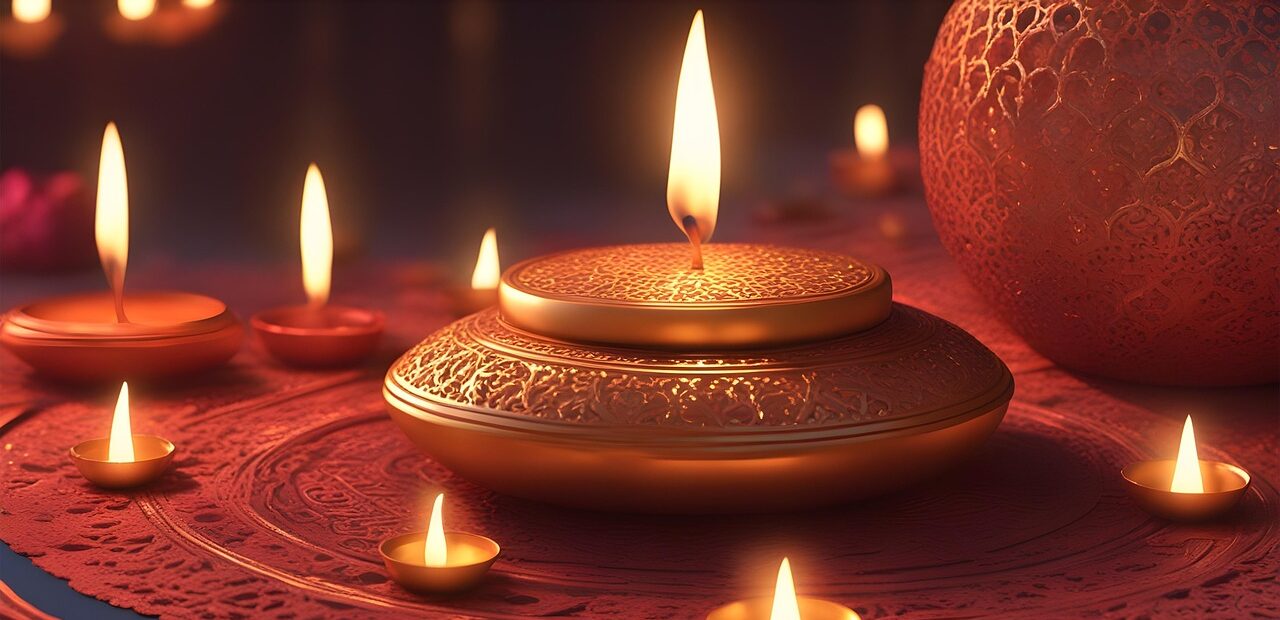

How to Perform Daily Pooja at Home: Step-by-Step Guide
In the heart of many Indian homes, you will find a small, sacred space—a corner of a room, a small alcove, or a dedicated shelf—adorned with pictures of deities, the glow of a diya (oil lamp), and the fragrance of incense. This is the puja room, the spiritual heart of the household. Performing daily pooja (worship) in this sacred space is one of the most beautiful and grounding Hindu rituals. It is a practice that connects us to the divine, centers our minds for the day ahead, and fills our homes with peace and positive energy. But for those new to the practice, it can seem daunting. What are the steps? What items do you need? This simple, step-by-step guide will demystify the process, empowering you to establish a meaningful worship at home practice that nourishes your soul.
The Foundation: Creating Your Sacred Space (Puja Altar)
Before you begin the ritual, you need a dedicated space. Your puja altar can be as simple or as elaborate as you like. The most important thing is the intention and devotion you bring to it.
Location: Choose a clean, quiet, and peaceful corner of your home. Ideally, it should be a place where you will not be disturbed. The North-East corner of the house is considered the most auspicious direction (Ishaan), as it is the zone of divinity and consciousness.
The Altar Itself: You can use a small wooden table, a shelf, or even a clean cloth on the floor. Cover the surface with a clean cloth, preferably in a color like yellow, red, or white.
What to Place on the Altar:
- Images or Murtis of Deities: Place pictures or small statues (murtis) of your chosen deities (Ishta Devata). This could be Ganesha, Shiva, Lakshmi, Durga, Krishna, or any form of the divine you connect with.
- An Akhand Jyot (Eternal Light): If possible, keep an oil lamp (diya) burning continuously. If not for safety reasons, simply light a new diya for your pooja each day.
- A Small Kalash (Pot): Place a small pot (kalash) filled with water on the altar. This represents the presence of the divine.
- Incense Holder and Diya Holder: Have a dedicated place for your incense sticks and your diya.
Gathering the Essentials: Your Puja Thali (Worship Plate)
Having all your puja items organized in one place makes the ritual smooth and focused. Traditionally, these items are kept on a plate called a puja thali.
Essential Puja Items:
- Diya (Oil Lamp): An oil lamp with ghee or oil and a cotton wick. Light represents the dispelling of ignorance and the presence of the divine.
- Incense Sticks (Agarbatti): The fragrant smoke purifies the atmosphere and carries our prayers to the heavens.
- Flowers: Fresh flowers are a beautiful offering to the deities. They represent devotion, beauty, and the impermanence of life.
- Water: A small cup of water for offering (achaman).
- Tilak (Kumkum/Sindoor and Sandalwood Paste): Kumkum (red vermillion) and sandalwood paste are used to mark the deities and ourselves as a sign of blessing.
- Prasad: An offering of food, usually something sweet like a fruit or a small sweet. This is later shared and consumed as blessed food.
- Bell (Ghanti): Ringing the bell helps to focus the mind and create a sacred sound.
- A Clean Cloth: A small cloth to wipe the deities and the altar.
Optional but Recommended Items:
- Camphor (Kapoor): For the final aarti.
- Durva Grass or Bel Leaves: These are especially sacred to Lord Ganesha and Lord Shiva, respectively.
- Prayer Book: If you like to read from a scripture or chant specific prayers.
The Step-by-Step Guide to Performing Daily Pooja
This is a simple, foundational routine for daily pooja. You can adapt it to your specific tradition and the deities you worship. The entire process can take as little as 10-15 minutes.
Step 1: Achaman (Purification)
Begin by sitting facing your altar. Take a sip of water from your right hand while chanting a simple mantra or just focusing on purification. This cleanses your body and mind, preparing you for the ritual.
Step 2: Aavahan (Invoking the Deities)
Ring the bell gently. Close your eyes and invoke the presence of the deities. You can chant a simple invocation like, “Om Sri Ganeshaaya Namah, Om Sri [Deity Name]aaya Namah,” inviting them to accept your worship and reside in the images on your altar.
Step 3: Padyam, Arghyam, and Achaman (Symbolic Offerings)
This is a ritual of offering hospitality to the divine guest.
- Padyam: Take a few drops of water with a flower or a spoon and offer it at the feet of the deities, symbolizing the washing of their feet.
- Arghyam: Offer a few more drops of water to their hands, symbolizing the washing of their hands.
- Achaman: Offer a few drops of water for them to sip.
Step 4: Snanam (Bathing the Deities)
Dip a fresh flower in water and gently touch the deities with it, symbolically bathing them. You can also wipe the murtis or pictures with a clean, damp cloth if needed.
Step 5: Vastra (Offering Clothes)
Offer a small piece of cloth, or simply touch the deities with a flower, symbolically offering them new clothes.
Step 6: Gandha (Offering Sandalwood Paste)
Apply a small dot of sandalwood paste on the forehead or the chest of the deity’s image or picture. Sandalwood is cooling and auspicious.
Step 7: Pushpa (Offering Flowers)
Offer your fresh flowers at the feet of the deities. As you offer each flower, you can chant a mantra or simply say a prayer from your heart. Place the flowers gently and lovingly.
Step 8: Dhoop (Offering Incense)
Light an incense stick and wave it in a clockwise circle in front of the deities three times. The fragrant smoke purifies the environment and pleases the senses of the divine.
Step 9: Deep (Offering the Light)
Light your diya. Hold it and wave it in a clockwise circle in front of the deities three times. This is the most important offering, symbolizing the offering of our own soul, the light within, to the supreme light.
Step 10: Naivedyam (Offering Food)
Place your offering of fruit or sweets in front of the deities. Sprinkle a few drops of water on it. Close your eyes and pray that the deities accept your humble offering of food.
Step 11: The Aarti (The Grand Finale)
This is the most beautiful part of the pooja. If you are using camphor, light it now. If not, use the diya.
- Stand up and perform the aarti by waving the light in a large, clockwise circle in front of the altar.
- Sing an aarti song dedicated to your deity. If you don’t know one, you can simply chant “Om Jai Jagdish Hare” or the Maha Mrityunjaya Mantra.
- Ring the bell continuously during the aarti. The sound, the light, and the smell of the incense create a multi-sensory experience of divine presence.
Step 12: Pradakshina and Pranam (Circumambulation and Prostration)
After the aarti, circumambulate the altar three times clockwise (or turn around in place if space is tight). Then, sit down and bow down, touching your head to the floor, offering your complete surrender and gratitude to the divine.
Step 13: Distribute the Prasad
The food you offered is now blessed Prasad. Take a small piece and eat it, considering it to be a divine gift. Share the rest with your family members.
Tips for a Consistent and Meaningful Practice
- Consistency Over Duration: It is better to do a 5-minute pooja every single day than a one-hour pooja once a week. Consistency builds discipline and creates a powerful spiritual rhythm in your life.
- The Best Time: The best times for daily pooja are in the morning, during the Brahma Muhurta (1.5-2 hours before sunrise), and in the evening, during Sandhya (at sunset). If that’s not possible, simply choose a time that works for you and stick to it.
- Focus on Devotion, Not Perfection: Don’t worry if you forget a step or don’t have all the items. The most important ingredient is your devotion (bhakti). The gods care more about the love in your heart than the perfection of your ritual.
- Involve Your Family: Make pooja a family activity. It’s a wonderful way to pass on traditions and create a shared spiritual experience in your home.
Conclusion: Bringing the Divine Home
How to perform daily pooja at home is a journey, not a destination. It is a practice that grows and deepens with you over time. It is a beautiful way to start and end your day, reminding you of the divine presence that is always with you and within you. This simple act of lighting a lamp, offering a flower, and chanting a name is a profound gesture of love and gratitude. It transforms a house into a home, a physical structure into a living, breathing sanctuary of peace and positivity. By establishing this sacred spiritual practice, you are not just performing a ritual; you are weaving the divine into the very fabric of your daily life.
5. FAQs Section
1. I’m a complete beginner. Do I need to chant in Sanskrit? No, you don’t. While chanting in Sanskrit is traditional and powerful, you can also chant in your native language or simply speak from your heart. The deities understand all languages. The most important thing is the feeling and devotion behind your words.
2. What if I miss a day of my daily pooja? Don’t worry or feel guilty. Life happens. If you miss a day, just resume your practice the next day without guilt. The goal is consistency, not perfection. The divine is always forgiving and understanding.
3. Can women perform pooja during their menstrual cycle? This is a topic of much debate. Traditional beliefs vary widely. In many orthodox households, women do not perform pooja during this time. However, in many modern and progressive interpretations, there is no restriction. The most important thing is to follow what feels right and respectful to you and your family’s tradition.
4. What do I do with the flowers and other offerings after the pooja? The flowers and other biodegradable offerings should be respectfully disposed of. You can place them at the base of a tree, in a garden, or in a flowing river. Do not throw them in the trash. The Prasad (food) is to be consumed.
5. Can I perform pooja if I don’t have a picture or murti of a deity? Yes, absolutely. You can perform pooja to a Kalash (the pot of water) as a representation of the divine, or you can simply light a diya and offer your prayers to the formless, supreme consciousness (Brahman). The divine is not limited to an image; it is present everywhere.