
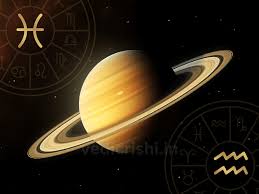

Introduction: The Cosmic Rite of Passage
Every 29.5 years, Saturn completes its orbit around the Sun and returns to the same position it occupied at your birth. This celestial event, known as Saturn Return, has gained notoriety in both astrological and psychological circles as one of life’s most challenging transitions. But why are Saturn Returns so hard? This comprehensive exploration delves into the psychological and astrological dimensions of this profound rite of passage, offering insights and strategies to help you navigate this transformative period with greater awareness and resilience.
Understanding Saturn Return: The Cosmic Clockwork
Before we explore why Saturn Returns are so challenging, it’s essential to understand what they are. Saturn Return occurs when Saturn completes its approximately 29.5-year journey around the Sun and returns to the exact position it occupied at the moment of your birth. Most people experience their first Saturn Return between ages 28-30, with a second occurring around ages 58-60.
In astrology, Saturn represents structure, discipline, responsibility, limitations, and karma. Unlike the more expansive planets like Jupiter, Saturn’s influence is often described as restrictive, demanding, and sobering. When Saturn returns to its natal position, it triggers a cosmic “reality check” that forces us to confront fundamental aspects of our lives that may have been neglected or avoided.
The Psychological Perspective: Developmental Timing
From a psychological standpoint, Saturn Returns coincide with significant developmental milestones. Around age 28-30, individuals are transitioning from young adulthood to full adulthood, facing pressures to establish careers, commit to relationships, and define their place in society.
Psychologist Erik Erikson’s theory of psychosocial development identifies this period as the stage of “Intimacy vs. Isolation,” where individuals grapple with forming intimate relationships or facing isolation. Saturn Return intensifies these developmental challenges, forcing us to evaluate whether our life choices align with our authentic selves.
The timing of Saturn Return creates what psychologists call a “developmental crisis” – a period where previous coping mechanisms no longer suffice, and new strategies must be developed. This crisis, while painful, catalyzes essential psychological growth and maturation.
The Astrological Significance: Saturn’s Cosmic Mandate
In Vedic and Western astrology, Saturn is known as the “Great Teacher” or “Taskmaster.” Its role is to help us develop discipline, responsibility, and wisdom through confronting limitations and challenges. Unlike other planets that might grant gifts or ease, Saturn’s lessons are earned through hard work, perseverance, and facing reality.
During Saturn Return, this cosmic teacher intensifies its influence, demanding that we take responsibility for our lives. Areas where we’ve been immature, avoidant, or inauthentic come under scrutiny. Saturn doesn’t punish but rather creates consequences that force growth and alignment with our higher purpose.
The difficulty of Saturn Return stems from Saturn’s fundamental nature: it reveals where we’ve built our lives on shaky foundations. Whether in careers, relationships, or personal identity, Saturn Return exposes what needs to be restructured or released.
Common Challenges During Saturn Return
Career and Professional Upheaval
One of the most common Saturn Return experiences is career questioning and change. The profession that served us in our twenties may no longer align with our authentic values or purpose. Saturn forces us to confront whether our work provides meaningful contribution and long-term security.
Many experience job loss, career transitions, or the realization that they’ve chosen a path based on external expectations rather than internal calling. This professional crisis, while destabilizing, often leads to more authentic vocational choices.
Relationship Reevaluation
Saturn Return frequently brings relationship challenges. Long-term partnerships may end, or existing relationships may undergo intense scrutiny. Saturn asks whether our connections are built on solid foundations of mutual respect, shared values, and genuine compatibility.
For those unpartnered, Saturn Return often brings pressure to find a committed relationship, while simultaneously forcing them to address patterns that have prevented healthy intimacy. This relationship reevaluation, while painful, ultimately leads to more authentic connections.
Identity and Self-Concept Crisis
Perhaps the most profound Saturn Return challenge is the questioning of identity. Who am I really? What do I stand for? What is my purpose? These existential questions surface with urgency during Saturn Return, forcing us to differentiate between our authentic selves and the personas we’ve adopted to please others.
This identity crisis often involves letting go of dreams that no longer serve us, acknowledging limitations, and accepting aspects of ourselves we’ve previously denied. While disorienting, this process leads to a more integrated and authentic self-concept.
Financial Pressures and Reality Checks
Saturn is the planet of reality, and during its return, financial fantasies often collide with actuality. Accumulated debt, unrealistic financial expectations, or unsustainable spending habits come under scrutiny. Saturn Return demands that we establish financial structures that support long-term security rather than short-term gratification.
These financial pressures, while stressful, often lead to more responsible money management and a healthier relationship with material resources.
The Developmental Function of Saturn Return’s Difficulty
While Saturn Return is undeniably challenging, its difficulty serves an essential developmental function. Like the pressure that transforms carbon into diamonds, Saturn’s restrictive force catalyzes profound growth and maturation.
From a Jungian perspective, Saturn Return represents the “confrontation with the shadow” – those disowned aspects of ourselves that we’ve rejected or denied. By integrating these shadow elements, we become more whole and authentic.
Developmental psychologists recognize that growth requires disequilibrium – a state where existing structures no longer suffice. Saturn Return creates precisely this disequilibrium, forcing the development of more mature psychological structures and coping mechanisms.
Navigating Saturn Return: Strategies for Growth
Embrace Reflection and Self-Inquiry
Rather than resisting Saturn’s lessons, lean into the process of self-examination. Journaling, therapy, meditation, and other reflective practices can help you navigate this period with greater awareness. Ask yourself: What is Saturn trying to teach me? Where have I been avoiding reality?
Establish Structure and Discipline
Saturn rewards discipline and structure. During Saturn Return, creating daily routines, setting clear boundaries, and establishing long-term goals can provide stability amid change. Small, consistent efforts build the foundation Saturn demands.
Seek Wise Counsel
Saturn Return is not meant to be navigated alone. Seek guidance from therapists, astrologers, mentors, or trusted friends who can provide perspective and support. Saturn values wisdom and experience – don’t hesitate to draw on the wisdom of others.
Practice Self-Compassion
While Saturn demands accountability, it doesn’t require self-punishment. Practice self-compassion as you confront limitations and make necessary changes. Remember that growth is a gradual process, and setbacks are part of the journey.
Focus on Long-Term Vision
Saturn operates on long-term cycles. During Saturn Return, focus on building foundations that will serve you for decades rather than seeking immediate gratification. Consider what you want your life to look like in the next Saturn cycle (29.5 years from now).
The Second Saturn Return: Wisdom and Legacy
While the first Saturn Return is about establishing foundations, the second (around ages 58-60) focuses on legacy and wisdom. This period often brings questions about meaning, contribution, and what we’ll leave behind.
The second Saturn Return can be equally challenging, as it forces us to confront mortality and the reality of our accomplishments. However, it also offers an opportunity to align our lives more fully with our deepest values and to share the wisdom we’ve gained.
Conclusion: The Gift in Saturn’s Challenge
Saturn Return is undeniably difficult – it forces us to confront uncomfortable truths, make painful changes, and take responsibility for our lives. Yet within this challenge lies profound opportunity for growth, authenticity, and alignment with our deeper purpose.
By understanding why Saturn Returns are so hard from both psychological and astrological perspectives, we can approach this period with greater awareness and intentionality. Rather than resisting Saturn’s lessons, we can embrace them as opportunities to build more authentic, meaningful lives.
As you navigate your own Saturn Return, remember that difficulty is not punishment but invitation – an invitation to become more fully yourself, to build structures that support your highest potential, and to align your life with your deepest values and purpose.
FAQs Section
What is Saturn Return and when does it occur?
Saturn Return occurs when Saturn completes its approximately 29.5-year orbit around the Sun and returns to the same position it occupied at your birth. Most people experience their first Saturn Return between ages 28-30, with a second occurring around ages 58-60.
How long does Saturn Return last?
Saturn Return is not a single event but a period that typically lasts for 2-3 years, with the most intense experiences occurring when Saturn is exactly conjunct its natal position. This happens three times during the return period: as Saturn approaches, exactly hits, and moves away from its natal position.
Is Saturn Return always negative?
While Saturn Return is often challenging, it’s not inherently negative. Saturn’s purpose is to help us grow, mature, and build more authentic lives. The difficulty comes from confronting areas where we’ve been avoiding reality or building on shaky foundations. The ultimate outcome is often positive, leading to greater alignment with our true selves.
Can astrology predict exactly what will happen during my Saturn Return?
Astrology can provide insights into the themes and areas of life likely to be highlighted during your Saturn Return based on Saturn’s position in your birth chart. However, astrology cannot predict specific events with certainty. Your free will, choices, and responses to Saturn’s challenges significantly influence your experience.
What if I’m already 30 and haven’t felt my Saturn Return?
Saturn Return affects everyone differently, and some people feel its influence more subtly than others. The timing can also vary slightly based on your exact birth chart. Additionally, you might be experiencing Saturn’s influence without recognizing it as such. Reflect on whether you’ve been facing increased pressure to take responsibility in certain areas of your life.