
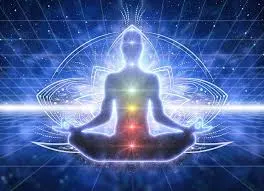

Introduction: The Serpent Power and Spiritual Evolution
In the ancient spiritual traditions of India, particularly in Yoga and Tantra, Kundalini is revered as the dormant, powerful spiritual energy—often symbolized as a coiled serpent—lying at the base of the spine, in the Muladhara Chakra (Root Chakra). It is the creative, evolutionary life force (Shakti) within every human being. Kundalini Awakening is the process where this immense energy is aroused and begins to ascend through the central psychic channel (Sushumna Nadi), piercing the remaining six chakras until it reaches the Crown Chakra (Sahasrara), leading to self-realization, cosmic consciousness, and ultimate spiritual liberation (Moksha).
This process is not a gentle switch; it is often a powerful, sometimes turbulent, experience marked by profound physical, psychological, and psychic changes. In the modern world, many people unknowingly trigger this energy through intense meditation, trauma, specific yogic practices, or even grace, and mistake the intense shifts for illness or mental imbalance.
This EEAT-compliant guide is designed to provide clear, authoritative expertise on recognizing the authentic signs of Kundalini Awakening, differentiating them from common psychological issues, and outlining the vital, practical steps you must take to safely manage and integrate this overwhelming spiritual power into your daily life.
The Stages of Awakening: Latent to Fully Aroused
The Kundalini journey is dynamic and non-linear, but it generally follows three recognizable stages:
Stage 1: Latent or Micro-Awakening
This stage involves gentle, subtle shifts. The energy is slightly stirring but is often mistaken for general health improvements or minor changes in mood.
- Subtle Signs: Increased energy, vivid dreams, sudden clarity about life direction, or a spontaneous desire for spiritual practice. You begin to feel the energy centers (Chakras) as distinct physical locations.
Stage 2: Ascending or Partial Awakening
This is the phase where the energy moves consistently into the lower three or four chakras. The signs become intense, often causing confusion and discomfort.
- Intense Signs: Strong physical phenomena (jolts, heat, involuntary movements), rapid emotional clearing, and sudden intuitive/psychic openings. This is where most people struggle with integration.
Stage 3: Full Awakening (Samadhi)
The energy successfully reaches the Crown Chakra. This state is characterized by sustained bliss, cosmic knowledge, loss of ego identification, and profound peace, though it is rare and usually achieved under the guidance of a realized Guru.
Part 1: Physical and Energetic Signs of Kundalini Awakening
The first and most undeniable signs of Kundalini moving are often physical, due to the energy clearing blockages in the physical and subtle bodies (Nadis).
- Involuntary Movements (Kriyas): Sudden, spontaneous body movements, jerking, shaking, vibrating, or spontaneous yoga postures. These are the body’s way of releasing energy blockages. You may feel a strong urge to stretch or twist.
- Energy Flow & Temperature Changes: Feeling intense waves of heat or cold running up the spine, particularly along the Sushumna Nadi. You might experience a burning sensation at the base of the spine or excessive heat in the head/hands/feet.
- Pressure in the Chakras: Intense pressure, pulsation, or buzzing in specific chakra locations. Pressure in the Third Eye (Ajna) is common, leading to headaches or a throbbing sensation between the eyebrows.
- Altered Breathing Patterns: Spontaneous changes in breath—rapid, shallow breathing followed by long periods of suspension. This is the body naturally adjusting to the new energy flow, often mimicking Yogic Pranayama.
- Dietary and Sensorial Shifts: Sudden, inexplicable changes in diet, such as a strong aversion to meat, alcohol, or heavy foods. Heightened sensitivity to light, sounds, or crowds (over-sensitization).
Part 2: Psychological and Emotional Signs
The journey of Kundalini is also a rapid psychological purification process. The energy forces you to face and clear deep-seated traumas and unresolved emotional blocks.
- Intense Emotional Purging: Experiencing rapid, overwhelming, and often cyclical swings of emotion—unexplained bursts of crying, rage, or fear. This is the subconscious mind releasing years of suppressed emotional energy.
- Dismantling of the Ego: A profound sense of loss of the self, identity crisis, or disorientation. You begin to question your entire life structure, career, relationships, and past beliefs. This can be deeply destabilizing but is a sign of the ego dissolving to make space for the higher self.
- Spontaneous Bliss and Unconditional Love: Alternating with the purging, there are moments of sudden, unearned bliss, deep joy, and a pervasive feeling of interconnectedness and love for all beings.
- Vivid Dreams and Nightmares: Dreams become highly symbolic, instructional, or prophetic. Nightmares may occur frequently as the subconscious clears past-life or childhood trauma.
- Magnetic Attraction/Repulsion: You may suddenly feel an intense attraction to specific people, Gurus, or places, and an equally intense repulsion from old friends, jobs, or environments that no longer serve your high vibration.
Part 3: Psychic and Spiritual Signs
As the Kundalini energy rises into the higher chakras (Throat, Third Eye, and Crown), psychic and spiritual abilities start to unfold.
- Enhanced Intuition (Siddhi): A significant increase in “knowing” without logic. You anticipate events, finish people’s sentences, or accurately read a person’s emotions and intentions instantly.
- Clair-Senses Development: Development of psychic senses: Clairaudience (hearing internal guidance), Clairvoyance (seeing energy or auras), or Clairsentience (feeling spiritual truth).
- Connection to Higher Guidance: Feeling a direct connection to guides, angels, or deities. Receiving clear, audible instructions or profound spiritual insights during meditation or dreams.
- Past Life Memories: Spontaneous flashes of past life memories or an intuitive knowing of specific locations or time periods that feel familiar.
- Altered State of Consciousness: Experiencing brief periods of non-dual consciousness (Samadhi)—a sense of oneness with everything—usually lasting only seconds or minutes, followed by a sudden return to normal consciousness.
What to Do Next: Safely Integrating the Energy
Arousal of the Kundalini energy without proper grounding and discipline can lead to instability, known as Kundalini Crisis or Spiritual Emergency. Safety and integration are paramount.
1. Prioritize Grounding (Muladhara Chakra)
- Earth Connection: Spend time outdoors barefoot. Physically connect with the earth to discharge excess energy from the head.
- Physical Activity: Engage in non-competitive, low-impact exercise like walking or simple Hatha Yoga postures to integrate the energy into the muscle tissues.
- Diet: Eat simple, heavy, root-based foods (potatoes, carrots, grains) to ground the body and counteract the tendency of the rising energy to make you feel “floaty” or unmoored.
2. Seek Wise, Competent Guidance (The Guru Principle)
- Find a Guide: A realized Guru, experienced Kundalini yoga teacher, or trusted spiritual mentor is essential. They can gauge the speed of the awakening and recommend specific practices to balance the energy.
- Avoid Isolated Practice: Do not attempt intense Pranayama or advanced meditation techniques without supervision during a turbulent awakening.
3. Focus on Bhakti and Seva (Heart and Service)
- Bhakti Yoga: Focus your intense emotional energy into devotion (chanting, praying, singing devotional songs). This purifies the emotions and grounds the energy in the Anahata Chakra (Heart Chakra).
- Seva (Selfless Service): Redirect the immense energy surplus into helping others without expectation. Service grounds the energy in the material world, prevents the ego from re-inflating, and stabilizes the emotional body.
4. Balance the Energy Channels (Nadis)
- Nadi Shodhana Pranayama: Practice alternate nostril breathing daily. This balances the solar (Pingala Nadi) and lunar (Ida Nadi) energy channels, which is critical for smooth Kundalini flow through the Sushumna Nadi.
- Cooling Practices: If you feel excessive heat, practice Sitali Pranayama (cooling breath) or take cool showers to manage the Pitta (fire) element imbalance caused by the rising energy.
Conclusion: A Gift and a Responsibility
The spontaneous or disciplined awakening of Kundalini is the most significant event in a person’s spiritual life—a sacred gift and a profound responsibility. The signs of Kundalini Awakening—from the fiery jolts in the spine to the spontaneous moments of cosmic love—are guideposts showing your soul is progressing.
Remember, the goal is not just to awaken the energy, but to integrate it. By prioritizing grounding, seeking ethical guidance, practicing selfless service, and maintaining daily balance, you ensure that the powerful serpent energy rises gracefully, transforming discomfort into profound self-realization and lasting spiritual freedom. This journey demands courage, but the resulting wisdom and inner peace are the ultimate rewards of aligning with your divine destiny.
FAQs Section
- Is Kundalini Awakening dangerous or painful?
Kundalini Awakening is not inherently dangerous, but it can be intensely uncomfortable or psychologically destabilizing if the body and mind are not prepared (a Kundalini Crisis). It can manifest as pain, tremors, or severe anxiety because the energy is forcing out years of physical and emotional blockages.
- How long does a Kundalini Awakening last?
A true Kundalini Awakening can last anywhere from a few months to several years, depending on the number of emotional blockages (samskaras) that need to be cleared. The physical intensity usually subsides once the major channels (Nadis) are cleared, and the process moves into a more gentle, persistent flow.
- What is the difference between Kundalini and an energetic panic attack?
While both involve shaking and anxiety, a Kundalini experience often includes specific energy flow along the spine, pressure in the chakras, and eventually leads to spiritual clarity or mystical insights. A panic attack is purely psychological and does not involve the systematic clearing of the Sushumna Nadi.
- Can trauma trigger an unwanted Kundalini Awakening?
Yes. Sudden, intense physical or emotional trauma, or extreme periods of stress, can sometimes act as an involuntary trigger for a Kundalini Awakening because the body’s energetic system is overwhelmed and forced to open suddenly. This often requires the most careful, integrated approach to stabilize the energy.
- Which type of Yoga is best for balancing the Kundalini energy flow?
Hatha Yoga (physical postures) and Bhakti Yoga (devotion/chanting) are excellent for balancing Kundalini energy. Hatha helps physically prepare the Nadis for the flow, while Bhakti helps purify the emotional body (Heart Chakra), which is crucial for preventing the energy from getting stuck in the lower, fear-based centers.